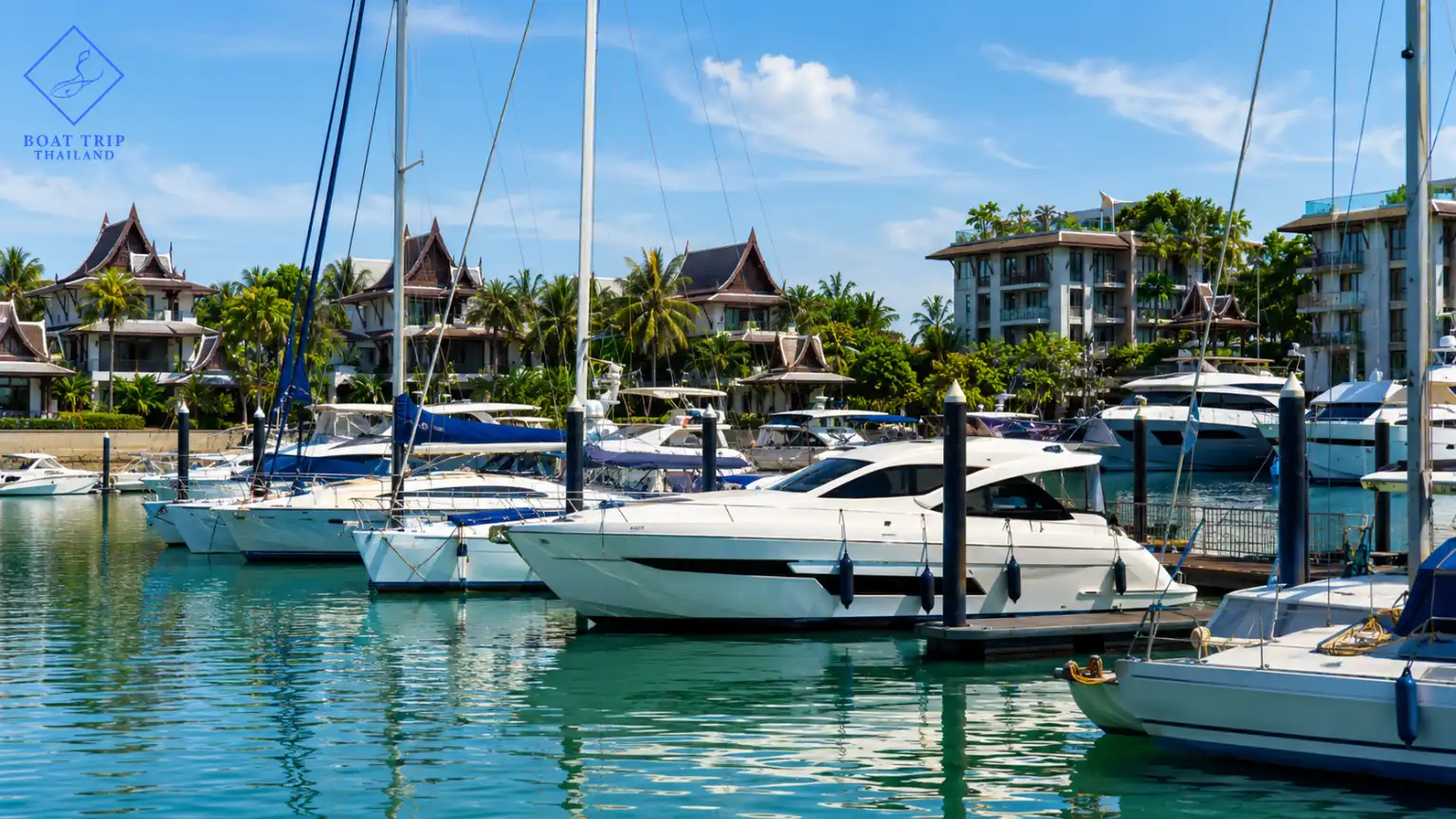
Questions to ask before booking a boat can save you from common mistakes—especially around safety, comfort, and hidden costs before you pay a deposit. If you’re considering yacht charters, this checklist will help you ask the right questions and book with confidence.
Why “asking before you book” matters more than you might think.
Many problems that come up on beach trips such as costs unexpectedly rising, the boat not matching what was promised, missing or unprepared equipment, or the itinerary being changed without notice often happen because the agreement wasn’t clear from the start. Asking the right questions doesn’t make you picky; it helps you verify service standards and shows the provider that you genuinely care about quality and safety.
Category 1: Safety (the first thing you should ask about).
1) Do you have enough life jackets for everyone? Do you provide sizes for children and elderly passengers?
This question is very basic but it’s also the most important. Don’t settle for just “Yes, we do.” Follow up by asking
- Do you have enough for the actual number of passengers?
- Do you have child-sized life jackets (if there are kids), and are they in good, usable condition?
2) What emergency equipment is available on board?
At minimum, there should be: a first-aid kit, a radio or backup phone, GPS, and basic life-saving equipment. You don’t need to ask for deep technical details just make sure they actually have them and that they’re ready to use.
3) How experienced are the captain and crew with this route?
Ask specifically:
- Do you run this route often?
- During monsoon season or rough sea conditions, how do you assess the weather and adjust the plan?
The crew’s experience directly affects both the safety and the comfort of the trip.
4) If the waves are rough, it rains, or the weather becomes unsafe, what do you do?
Ask for a clear policy, not just a feeling. For example:
- Can we reschedule to another day?
- Can we change the route?
- What’s your refund or credit policy?
And who makes the final call on whether the trip goes ahead or not on the day?
5) What insurance do you provide, and what does it cover?
You don’t have to ask to see the policy document, but you should at least confirm:
- Do you have passenger insurance?
- What situations does it cover?
- If there’s an emergency, who do we contact and what steps should we follow?
Category 2: Does the real boat match what’s advertised? (to avoid “the photos don’t match reality” drama)
6) Can I see the most recent photos of the boat (both exterior and interior)?
Ask for real, updated photos—not just brochure images especially of:
- the deck / the bow (front of the boat)
- the lounge (living area)
- the bathroom/restroom
- the shaded / sun-protection area
7) How many people can the boat accommodate comfortably without feeling cramped?
Some boats list a high capacity “by law,” but for real comfort, it depends on what fits your group and the kind of trip you want.
8) Is there a bathroom on the boat, and how convenient is it to use?
This question is especially important for:
- full-day trips.
- families with children or elderly passengers.
- people who get seasick easily.
Having—or not having—a bathroom makes a clear difference to overall comfort.
9) Is there shaded seating? If the sun is strong, where can we sit?
Many people focus on “photo spots” but forget they’ll be on the boat for hours. Without shade or comfortable seating, the trip can be more exhausting than expected.
Category 3: Costs (to prevent the budget from blowing up)
10) What’s included in this price? Can you list the inclusions item by item?
Ask for a clear checklist, for example:
- fuel cost.
- pier/port fees.
- national park / island entrance fees (if any).
- food and drinks.
- activity gear (masks/snorkels/kayaks, etc.).
11) Are there any hidden or commonly missed extra fees?
You can ask directly, for example:
“Is there anything most customers forget to budget for and end up paying extra for on the day?”
A good provider will answer clearly and transparently.
12) If we extend the trip, how do you charge for overtime?
Many trips run over because people get carried away taking photos. It’s best to know in advance:
- How much is it per hour?
- How far in advance do we need to notify you (minutes/hours)?
- Are there any conditions or restrictions?
13) How much is the deposit, when is it due, and can we cancel?
Ask clearly:
- What percentage is the deposit?
- How many days in advance can we cancel and still get a refund?
- How many times can we reschedule?
- What happens in an emergency?
Category 4: Itinerary & flexibility (crucial for comfort)
14) Which spots are included in the standard itinerary, and how many minutes do we spend at each stop?
Don’t look only at the “list of islands”look at the “actual time you get.”
Some itineraries include many stops, but each stop is so short that it ends up feeling rushed rather than relaxing.
15) How flexible is the route if we want to focus on photos or relaxation?
If you have a clear goal—scenic views, photos, swimming—say so directly and ask:
- Can we change the order of stops?
- Can we choose quieter locations?
- Can we stop offshore to take photos (if it’s safe)?
16) เวลาออกเรือแนะนำกี่โมงให้ทะเลนิ่งและแสงสวย
This is one factor that can make a trip noticeably better—especially for photographers.
- For softer light: morning
- For golden-hour light: late afternoon
And sea conditions vary by season, so it’s worth asking what time works best for the dates you’re traveling.
Category 5: Food, drinks, and onboard comfort
17) What food and drinks are provided? Do we need to inform you about food allergies?
Ask about:
- the menu and serving times
- kids’ meals / vegetarian / halal options
- whether you can accommodate allergies or if someone doesn’t eat seafood
18) Do you provide drinking water, ice, towels—or should we bring our own?
A small question, but it can prevent interruptions especially on full-day trips.
19) If someone gets seasick easily, what should we do? Do you have any recommendations?
A good provider usually suggests things like:
- where to sit for a steadier ride
- the best departure time for calmer conditions
- what medication to prepare (and you can also consult a pharmacist for personal advice)
Checklist: Questions to ask before booking a boat (ultra-short summary)
If you want to ask everything in one go, you can send this as a single message:
- What’s included in the price (fuel / pier fees / national park fees / food / equipment)?
- In what cases would there be extra charges (overtime / route changes)?
- Do you have enough life jackets for everyone, including child sizes?
- If the weather is bad, what’s the policy for rescheduling, changing the route, or refunds?
- Can I see the most recent real photos of the boat + how many people can sit comfortably?
- Which stops are included in the itinerary, and how long do we spend at each stop?
- What departure time do you recommend for calmer seas and the best light?
- How much is the deposit, and what are the cancellation/rescheduling terms?
Conclusion: Questions to ask before booking = a more comfortable, better-value, and safer trip
In the end, “questions before booking” aren’t being picky—they’re a tool for filtering good providers and controlling trip quality from the start. The clearer your questions, the less likely you’ll face hidden costs, mismatched expectations, or safety risks.
If your goal is to enjoy the beach in real comfort—without hassle…