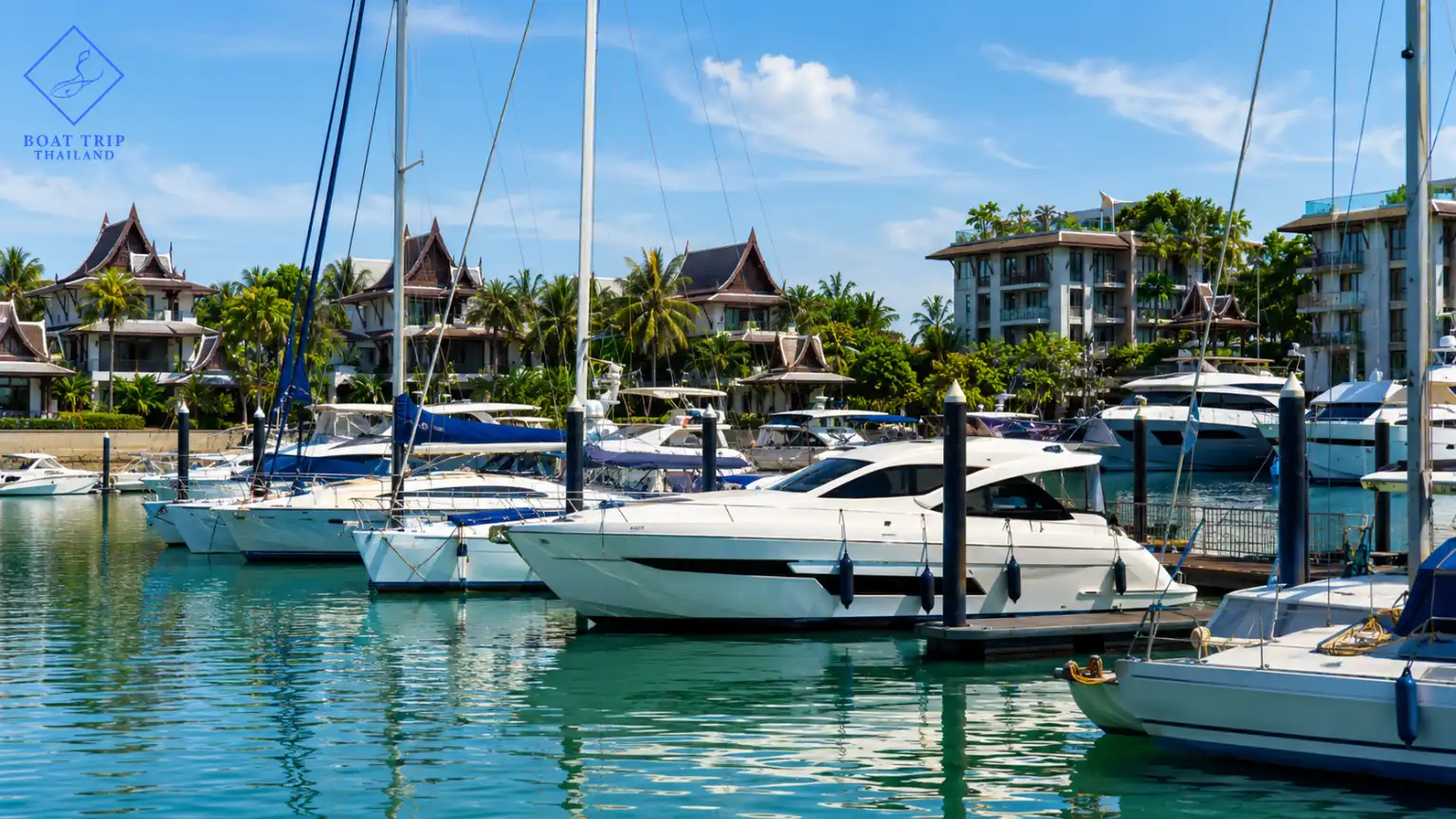
Boat Captain License is something many travelers hesitate to ask about, simply because it sounds technical. However, it’s one of the clearest indicators of safety and professionalism. A properly licensed and experienced captain is trained to navigate weather changes, plan safe routes, and respond to emergencies effectively. When booking private trips through yacht charters, knowing what licenses to expect—and how to ask about them politely—can help you choose a safer and more reliable provider.
Why a Boat Captain License Matters
When booking a sea trip, most people focus on the boat, the route, or the price.
But the person operating the boat is the most important factor.
A licensed and experienced captain helps ensure:
- safer route planning
- better decisions when weather changes
- calm and organized emergency response
- higher overall professionalism
What License Should a Boat Captain Have?
The exact license names can vary depending on boat type and local regulations.
However, these are the main things you should expect from a professional provider:
1) A Valid Boat Operating License
This is the basic requirement showing the captain is legally allowed to operate the boat.
2) Commercial Passenger Operation Requirements (If the Boat Carries Tourists)
If the boat is used for paid trips, the captain should meet commercial passenger standards.
3) Safety Training Certifications
A professional captain and crew should have training in:
- emergency procedures
- basic first aid
- rescue and safety response
4) Local Route Experience
This may not be a “license,” but it is extremely important.
Local experience means the captain understands:
- strong current areas
- shallow zones
- risky conditions by season
- safe anchoring spots
How to Ask Politely Before Booking (Real Examples)
Many travelers worry about sounding demanding.
But you can ask in a respectful, simple way.
Here are safe questions you can use:
- “Does the captain have a valid operating license?”
- “Are the captain and crew trained in safety and emergency response?”
- “Does the trip include insurance and safety standards?”
- “How long has the captain been running this route?”
A trustworthy provider will answer clearly and confidently.
Red Flags to Watch Out For
If the provider responds like this, be careful:
- vague answers such as “don’t worry”
- refusing to share any information
- no proof or documentation
- claiming licenses are unnecessary
- unclear safety standards overall
Extra Questions That Make Your Booking Safer
To make sure you’re choosing a reliable provider, also ask:
1) Is the boat insured?
Insurance is a strong sign of professionalism.
2) How many crew members are onboard?
Crew size directly affects safety and comfort.
3) Does the boat have proper safety equipment?
Life jackets, first aid kits, communication systems, and emergency tools matter.
✅ Quick Checklist (Snippet-Friendly)
- Does the captain have a valid operating license?
- Is the trip run under commercial passenger standards (if applicable)?
- Is safety training confirmed (first aid, emergency response)?
- Does the captain have local route experience?
- Does the provider answer clearly without avoiding questions?
Final Thoughts: Asking About Licensing Is Not “Too Much”—It’s Smart
Asking about a boat captain license isn’t being difficult.
It’s being responsible.
A properly licensed and experienced captain gives you the best chance of a safe, smooth, enjoyable sea trip—especially for families, seniors, and private travelers.